 Bayu Permadi
Downtime Always Strikes at the Worst Time
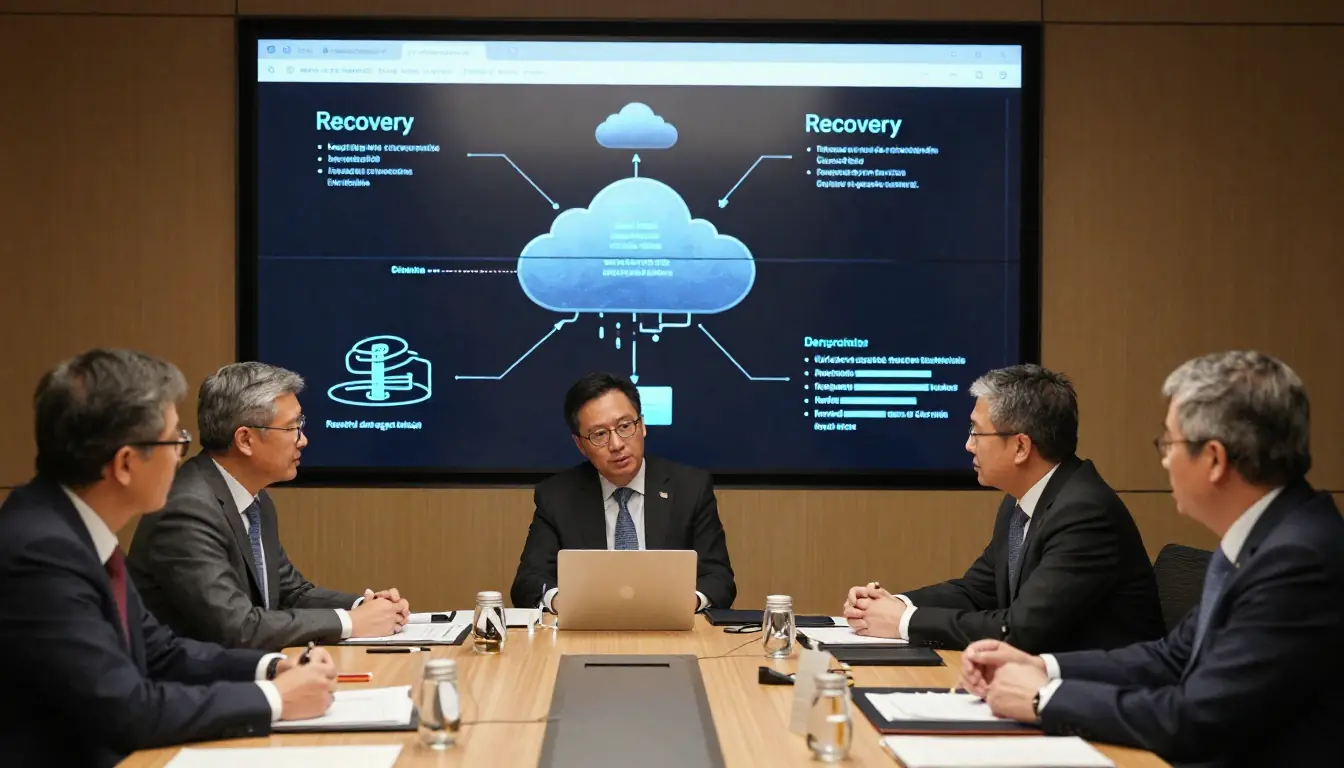
Defining RTO and RPO is often treated as a formality in a Disaster Recovery Plan (DRP) document. Yet when a disruption actually happens, whether from system failure, human error, or a cyberattack, these two metrics determine whether the business can recover in a controlled way or lose momentum.
Many companies have RTO and RPO targets that sound “ideal” but are unrealistic in terms of operations and cost. As a result, when an incident occurs, management’s expectations do not match the technical team’s capabilities.
This is where a practical, business-context-based approach matters.
What RTO and RPO Mean from a Business Perspective
Understanding RTO and RPO Simply
In the context of Reliability & Disaster Recovery, RTO and RPO are:
-
RTO (Recovery Time Objective): the maximum time the business can tolerate for restoring systems after a disruption.
-
RPO (Recovery Point Objective): the amount of data loss the business can still accept.
Defining RTO and RPO is not about technical numbers, but about business risk tolerance.
Common Mistakes When Defining RTO and RPO
Some patterns we often see:
-
Giving every system an RTO of “as fast as possible”
-
Setting RPO without understanding the value of the data
-
Ignoring cost implications
-
Not involving business stakeholders
As a result, the DRP becomes a document that is hard to execute.
The Real Impact of Defining RTO and RPO Realistically
Defining RTO and RPO Helps Set Business Priorities
With realistic RTO and RPO, a company can:
-
Prioritize the systems that are truly critical
-
Allocate budget efficiently
-
Avoid over-engineering
-
Align management and technical team expectations
For decision-makers, this means better control over operational risk.
The Direct Link to Reputation and Trust
Prolonged downtime does not only affect operations, but also leads to:
-
Loss of customer trust
-
Disruption for business partners
-
Contractual and SLA risk
According to global Business Continuity practice (see the NIST SP 800-34 guide on contingency planning and the AWS whitepaper on disaster recovery), the right RTO and RPO are the foundation of system reliability.
A Practical Framework for Defining RTO and RPO
Classify Systems by Business Impact
Not all systems have the same value. The first step in defining RTO and RPO is to identify:
-
Revenue-generating systems
-
Internal operational systems
-
Supporting systems
Each category has a different downtime tolerance.
Quantify the Impact of Downtime
Instead of assumptions, use a simple approach:
-
Potential revenue loss
-
Additional operating costs
-
Impact on customers
This approach helps set reasonable targets.
Align with Cloud Infrastructure Capabilities
Defining RTO and RPO must consider:
-
High availability architecture
-
Backup and replication mechanisms
-
Recovery automation capabilities
Without these, the targets are just numbers on paper.
Test and Evaluate Regularly
RTO and RPO are not a one-time decision. Business changes must be followed by:
-
DR drills
-
Architecture reviews
-
Target adjustments
This approach aligns with modern reliability engineering practice as described in the Google Cloud reliability guide.
Pandawa Cloud .Net’s Role in Disaster Recovery Planning
At Pandawa Cloud .Net, we see DRP as a collaborative process. Our DRP workshops are designed to:
-
Align business and technical perspectives
-
Define RTO and RPO that can be executed
-
Connect targets to the cloud architecture design
The result is not just a document, but a framework that is ready to run.