
 Bayu Permadi
DevOps-Based System Design for Scaling Without the Drama
Are you under pressure to scale your application quickly, only to run into performance problems, downtime, and operational complexity? As a company focused on reliable, scalable cloud solutions, Pandawa Cloud .Net understands these challenges well. Many businesses go through ‘scaling drama’: uncontrolled growth that threatens their stability and profitability. This article walks you through a DevOps-based system design built to handle dynamic growth, giving you control, visibility, and, most importantly, peace of mind.
Understanding the Root Causes of ‘Scaling Drama’
Traditionally, scaling an application involves manual changes, complicated configurations, and, all too often, unintended errors. This approach not only consumes time and resources but also increases the risk of failure and downtime. The problem lies in a lack of automation, visibility, and collaboration between development and operations teams. When demand rises, manual changes often fall out of sync, causing bottlenecks and performance degradation. Manual rollbacks after a failure then become a nightmare, prolonging recovery time and significantly affecting the business.
Lack of Automation: The Main Culprit
Automation is the heart of DevOps. Without it, every scaling effort becomes a manual task that is error-prone and inefficient. Automation covers deployment, testing, monitoring, and remediation. By automating these processes, you eliminate human error, shorten deployment times, and ensure consistency.
Fragmented Teams and Limited Collaboration
Development and operations teams often work separately, with different goals and metrics. This leads to miscommunication, conflict, and delays. DevOps encourages close collaboration and communication between the two teams, creating a culture of shared responsibility and common goals. This requires tools and practices that support collaboration, such as shared dashboards, kanban boards, and workflow automation.
Lack of Visibility and Monitoring
Without adequate visibility, you cannot detect problems proactively. Effective monitoring requires real-time data collection on key metrics, such as CPU, memory, and network usage, as well as application and database logs. This data can then be analyzed to identify trends, anomalies, and potential issues before they affect end users.
DevOps-Based System Design: The Core Pillars
Effective DevOps-based system design is built on several core pillars. It is not just about using DevOps tools; it is about changing the way you work. Here are the key components of this approach:
Infrastructure as Code (IaC)
With IaC, you define your infrastructure as code, which allows you to create, modify, and manage it automatically. This removes the need for manual configuration, reduces the risk of errors, and ensures consistency across your environments. Pandawa Cloud .Net offers IaC services that integrate with our platform, making it easier for you to deploy and manage your applications in the cloud.
Continuous Integration and Continuous Delivery (CI/CD)
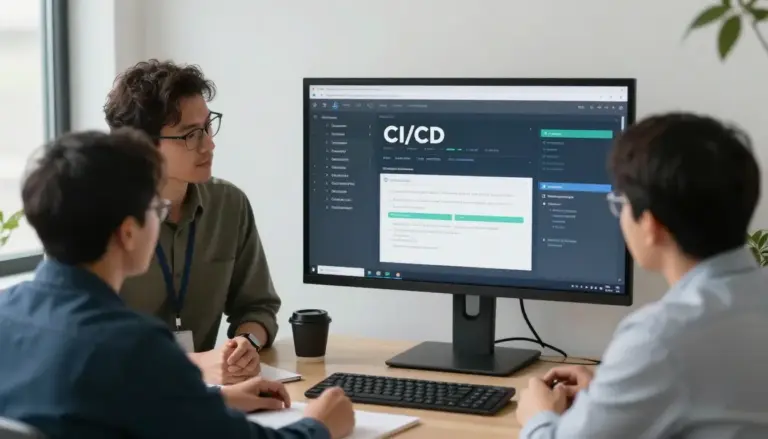
CI/CD is an automation practice that lets you deploy code changes to production frequently and reliably. CI involves automated testing of every code change, while CD automates the deployment process. With CI/CD, you can shorten deployment times, improve code quality, and reduce the risk of failure.
Infrastructure Monitoring and Logging
Infrastructure monitoring and logging are essential for detecting problems proactively and troubleshooting them quickly. You should monitor key metrics, such as CPU, memory, and network usage, along with application and database logs. You should also use log analysis tools to identify trends and anomalies.
Automated Remediation
Automated remediation is the ability to fix detected problems automatically. This can include restarting services, scaling applications, or rerouting traffic to healthy servers. With automated remediation, you can shorten recovery time and minimize the impact of issues on end users.
Implementation Steps: A Practical Guide
Here are the steps you can take to apply a DevOps-based system design:
Assessment and Planning
Conduct a thorough assessment of your current infrastructure, applications, and processes. Identify the areas that need improvement and build a clear implementation plan. Involve all stakeholders, including the development, operations, and security teams.
Implementing a CI/CD Pipeline
Start with a simple CI/CD pipeline and add features gradually over time. Automate as many processes as possible, including testing, builds, and deployment.
Adopting IaC
Start by automating the deployment of simple infrastructure, such as web servers and databases. Use IaC tools that fit your needs.
Implementing Monitoring and Logging
Configure monitoring and logging tools to collect data on key metrics and application logs. Set up dashboards to visualize this data. Use log analysis tools to identify trends and anomalies.
DevOps Culture
Building a DevOps culture takes more than tools and processes. It requires cultural change, such as collaboration, shared responsibility, and continuous learning. Encourage your teams to experiment, learn from mistakes, and keep improving their processes.
As your strategic partner, Pandawa Cloud .Net is ready to support you on your journey toward DevOps-based system design. Contact us today for a free consultation and see how our cloud solutions can help you scale your applications efficiently and effectively, without the drama.